Upgrade Prod Configuration from Lasernet 9 to Lasernet 10
- 03 Mar 2026
- 4 Minutes to read
- Contributors

- Print
- PDF
Upgrade Prod Configuration from Lasernet 9 to Lasernet 10
- Updated on 03 Mar 2026
- 4 Minutes to read
- Contributors
- Print
- PDF
Article summary
Did you find this summary helpful?
Thank you for your feedback
Introduction
If you have a Prod configuration, this section should be completed once the Test configuration has passed testing.
This section will give a walkthrough of a Lasernet upgrade from 9 to 10. The upgrade will be demonstrated on a Prod configuration connected to a live Dynamics 365 Finance and Operations environment.
It is best practice to upgrade a Test configuration before upgrading a live configuration to identify any unexpected issues that may arise during the upgrade.
Export Objects from Lasernet 9 Prod Configuration
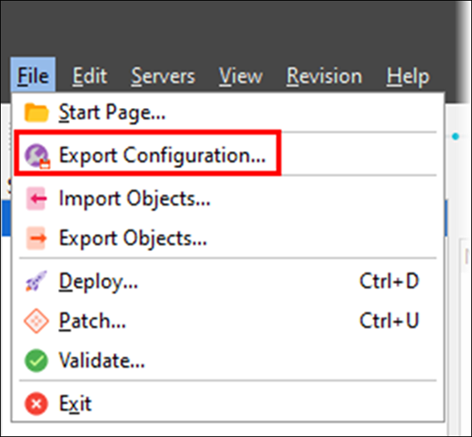
Open Lasernet Developer 9, then click File > Export configuration to back up the entire Lasernet 9 Prod configuration.
Export the objects that have been added or modified from the default Lasernet 9 configuration.
Here is a list of objects which you may want to export (this list will differ based on your unique configuration):
Azure Service Bus
Azure storage command
Forms
Subforms
XML transformers
Regional profiles
Custom scripts
Images
Outlook mail module
Any other objects that have been added or changed from the default configuration
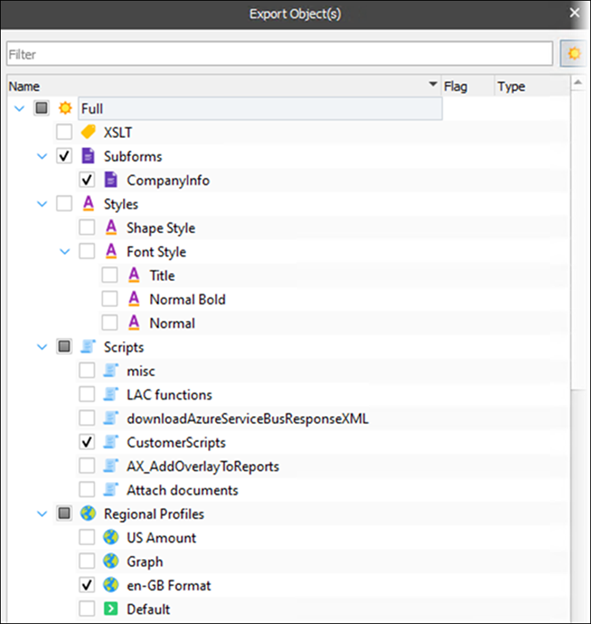
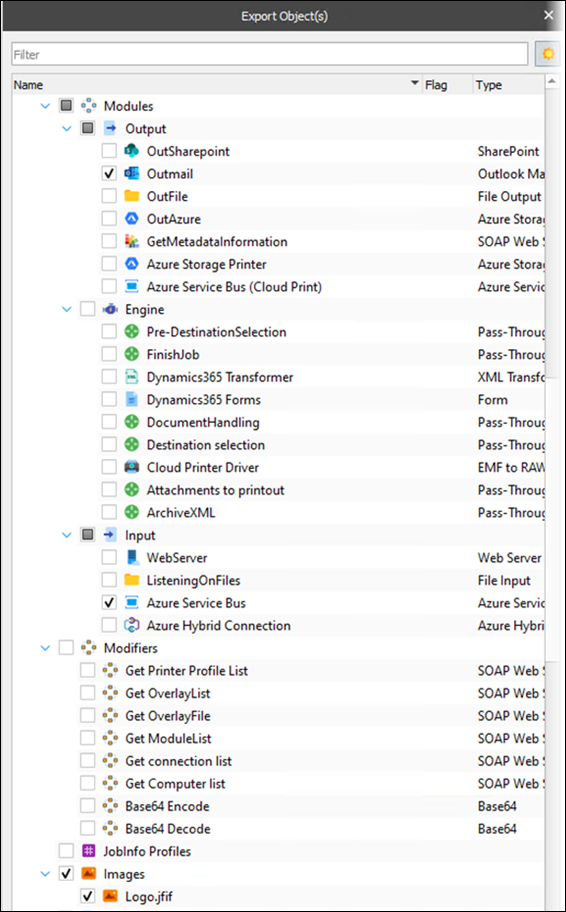
In this example, we will export the following:
One subform
Customer scripts
One regional profile
Outmail Output module
Azure Service Bus
One image
Three Dynamics 365 transformers
All sixteen forms (ensure you select the forms from the “Dynamics 365 forms” as there are some similarly named forms within “Templates”)
One Azure storage account
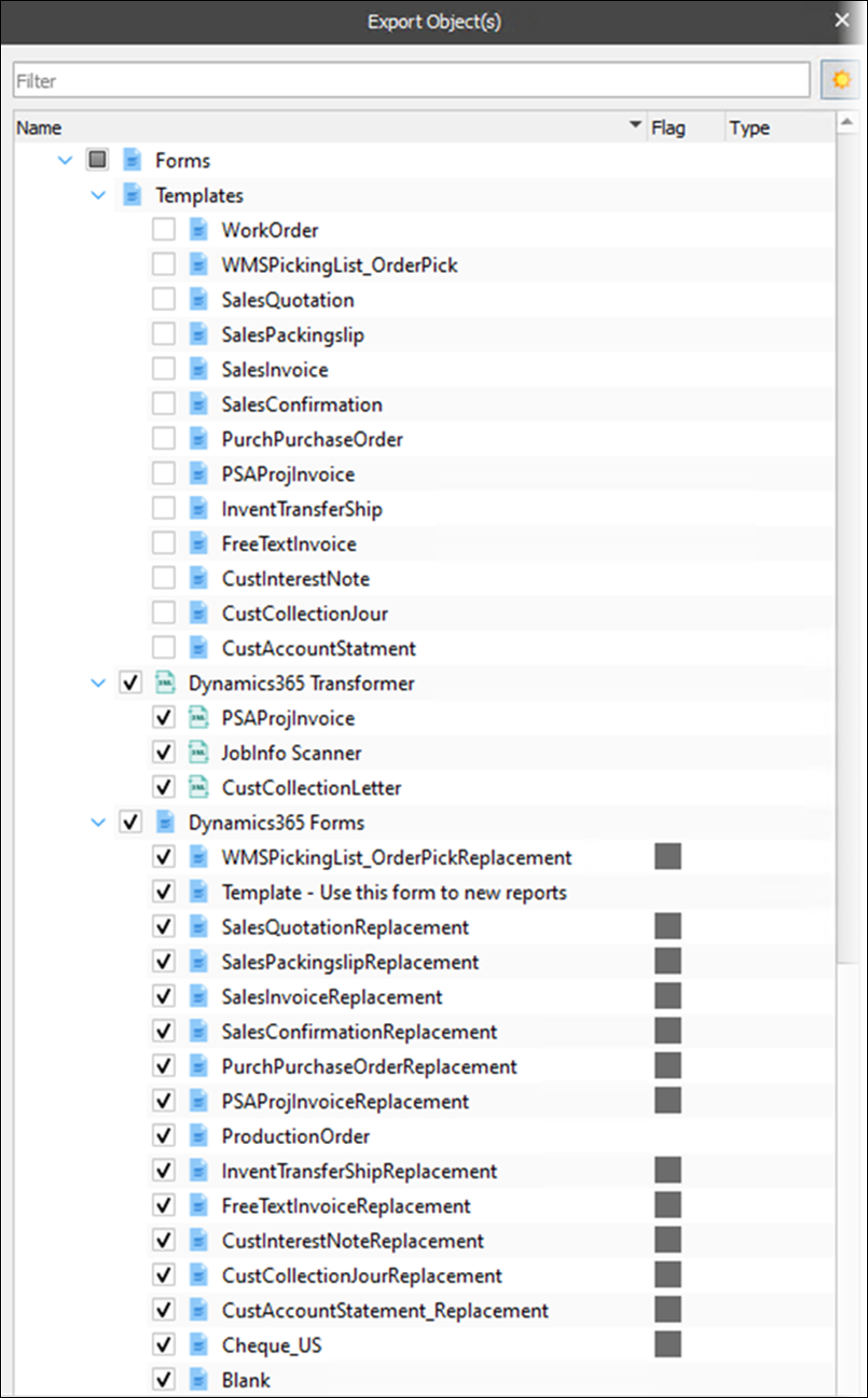
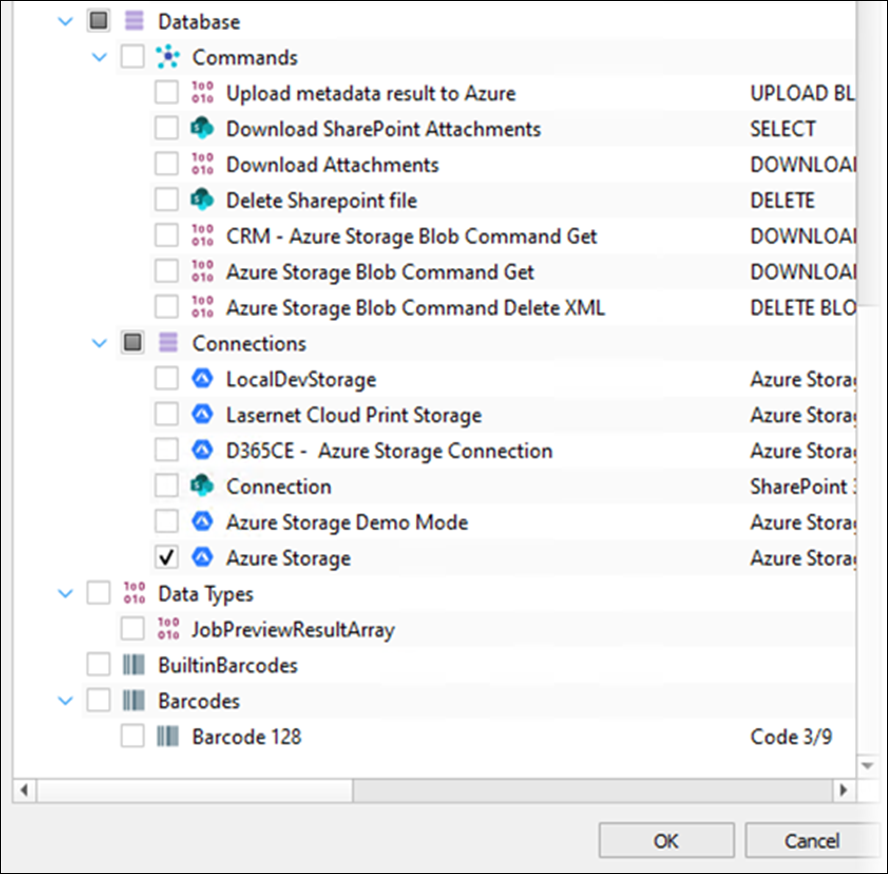
Click OK to create an
lnobjectxfile that contains the exported objects.
Install Lasernet 10 and Apply Demo License
This section should be completed if your Prod configuration is on a different server than the Test configuration.
If your Prod configuration is on the same server as the Test configuration, you can simply use a different port for Prod. In this case, you will need to apply another demo license to the Prod configuration on the Lasernet server, without installing the Lasernet components, as they already exist on the Lasernet server.
To install Lasernet 10, read the following guide: How to Install Lasernet.
You will need to complete at least the following three sections in the guide:
Lasernet Server
Add a demo license in the Lasernet Server License Manager when you get to that section of the Lasernet 10 installation guide.
A demo license is valid for sixty days and can be downloaded here.
If you do not complete the upgrade within sixty days, you will need to download another demo license and apply that.
Lasernet Config Server
When setting up the server, ensure the instance name matches the one in the Lasernet Server License Manager 10.
Lasernet Web Client
The Lasernet Developer is usually accessed from the same server as the Lasernet server. If the Lasernet Developer needs to be accessed from the Lasernet server, install the Lasernet Developer:
Add a demo license in the Lasernet Developer License Manager when you get to that section of the Lasernet 10 installation guide.
A demo license is valid for sixty days and can be downloaded here.
The demo license downloaded for the Lasernet Server License Manager can also be used with the Lasernet Developer License Manager.
If you do not complete the upgrade within sixty days, you will need to download another demo license and apply that.
Turn Off Lasernet 9 Services
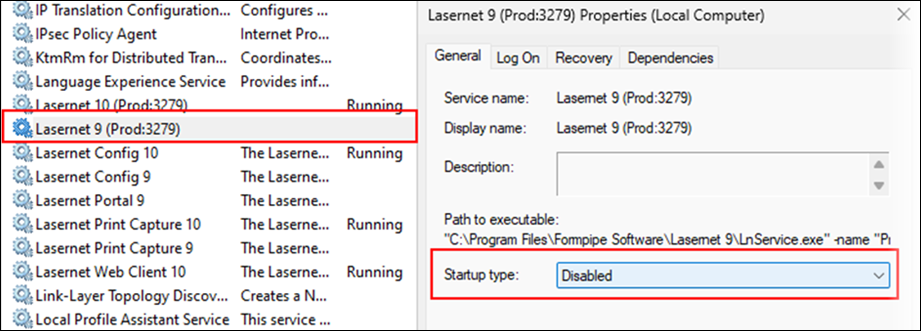
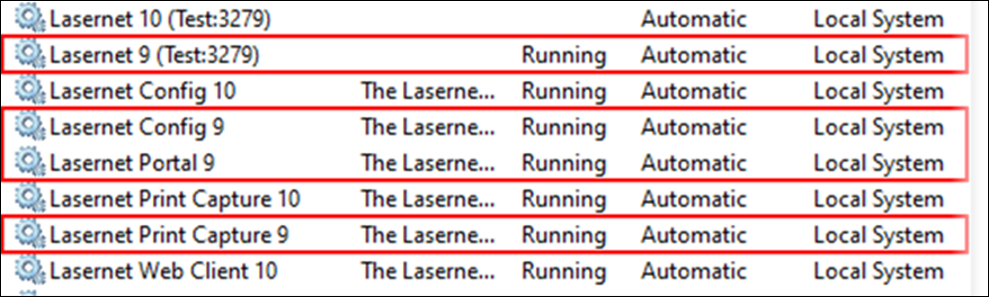
Open the Services on the Lasernet server and ensure the following Lasernet 9 services are turned off:
Turn On Lasernet 10 Services
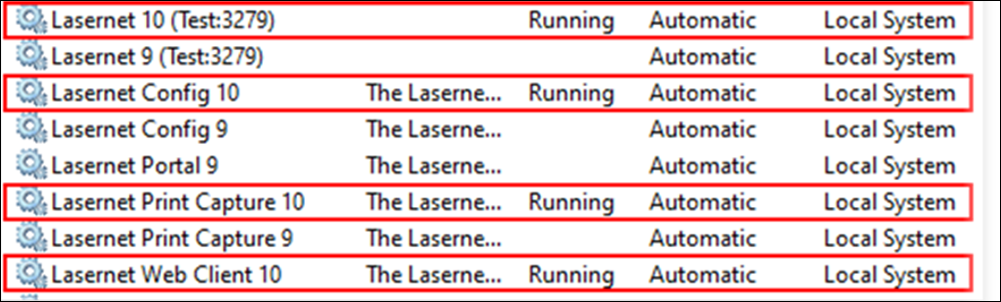
Open the Services on the Lasernet server and ensure the following Lasernet 10 services are turned on:
Import Lasernet 10 Default Configuration for Dynamics 365 Finance and Operations
If you are unsure as to whether you are using a Lasernet Group default configuration, consult your Lasernet partner, as they may have an alternative non-Lasernet Group configuration that they would like you to use.
If you are using a Lasernet Group default configuration, refer to this page of our knowledge base.
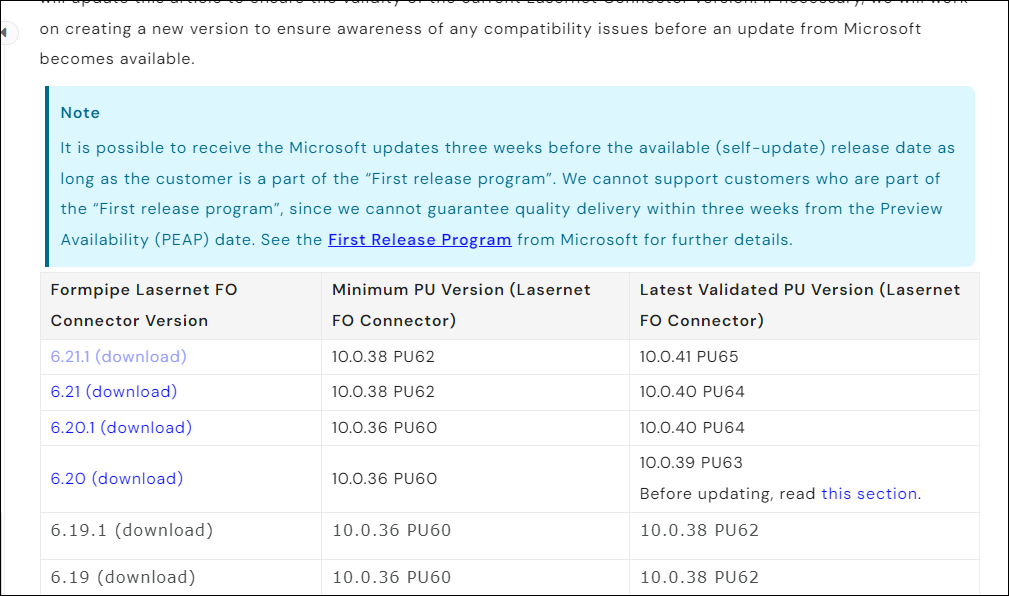
Select the download link for the FO Connector version that you are using.
Select the default configurations zip folder.
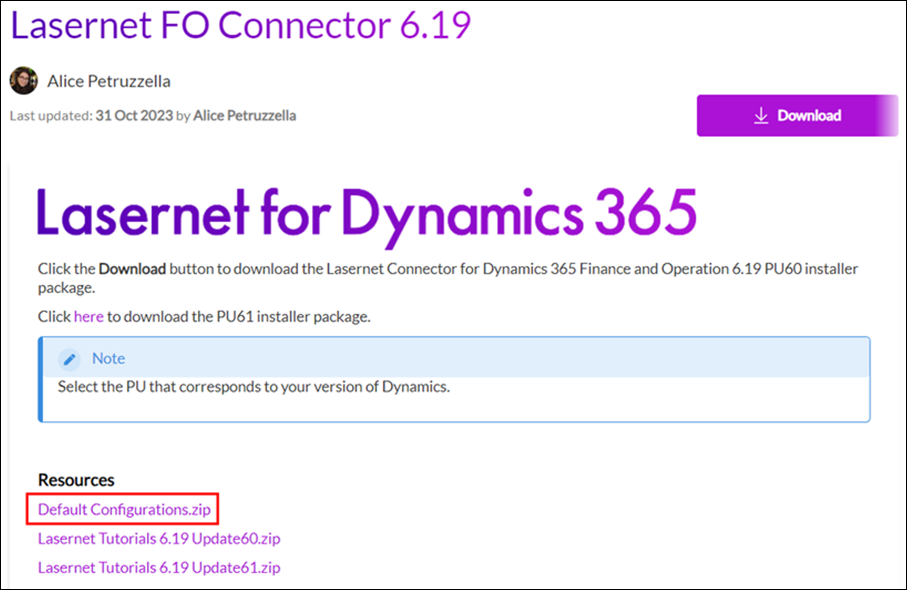
Extract the
lnconfigxfile from the zip folder.

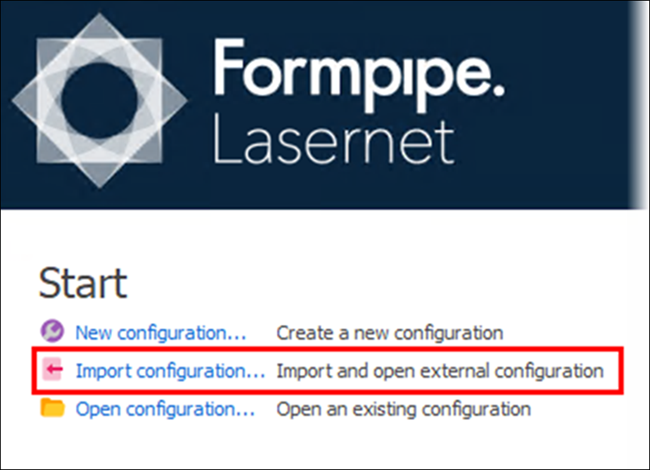
Import the default configuration (
lnconfigxfile) within the Lasernet Developer 10.
Select Servers.
Change the Instance to the instance name that was defined in the Lasernet Server License Manager 10 and the Config Server.
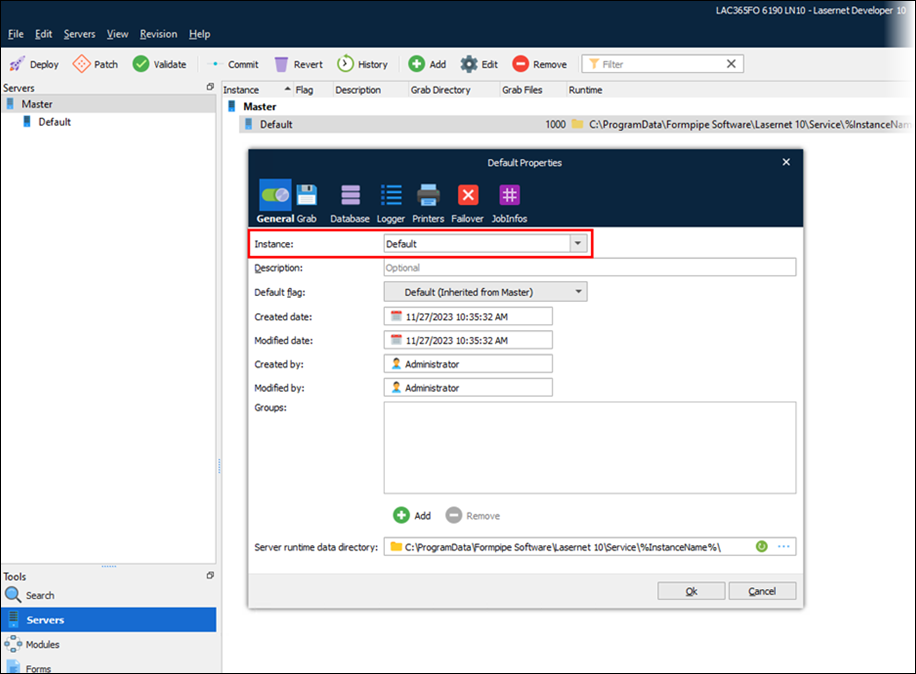
Import Lasernet 9 Objects into Lasernet Default Configuration for Test
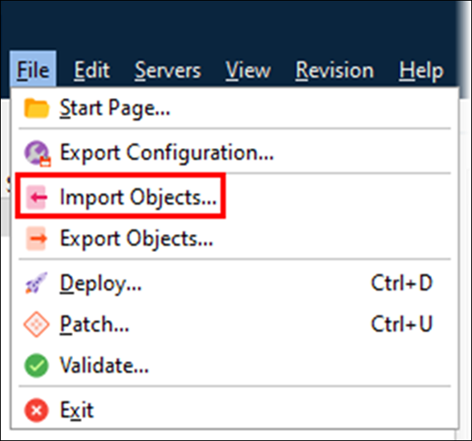
Open Lasernet Developer 10, then click File > Import Objects.
Select the lnobjectx file which was exported from the Prod configuration in Lasernet Developer 9.
Select Full to select all objects within the lnobjectx file.
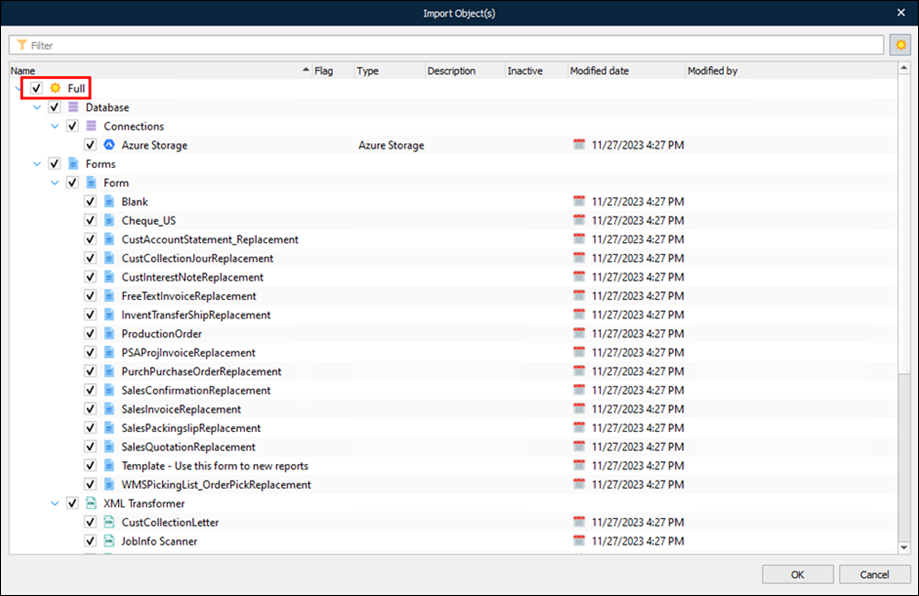
Click OK.
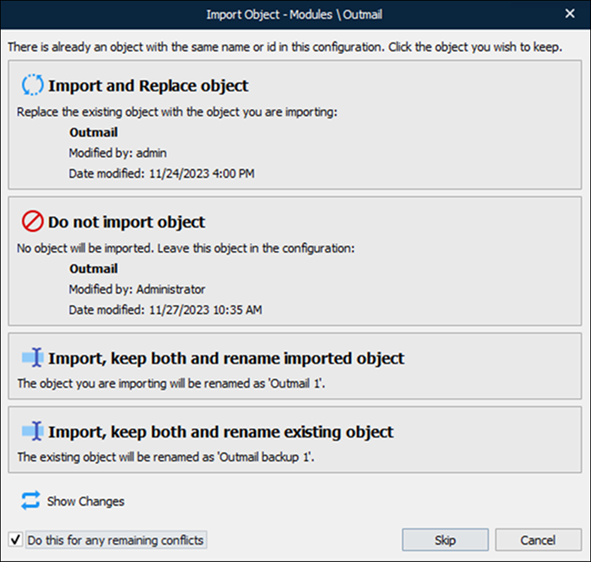
Click Import and Replace object to replace the object from the default Lasernet 10 configuration with the objects from the Lasernet 9 configuration. Select Do this for any remaining conflicts to apply the same choice to the remaining conflicts.
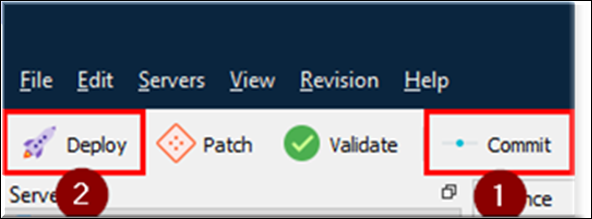
Commit and deploy changes.
Make additional changes to the Lasernet 10 Prod configuration as needed when testing the Lasernet 10 Test configuration.
Upgrade Licenses to Lasernet 10
The Prod Lasernet configuration can now be used for processing. However, the Test and Prod configuration are still using demo licenses, which will expire soon.
Therefore, contact Lasernet Support to deactivate the customer’s Lasernet 9 licence and provide a new Lasernet 10 license.
If the Prod Lasernet configuration is being used with a live Dynamics 365 Finance and Operations environment, it is advised that the following steps be done outside office hours when Lasernet jobs will not be processed. This is done to ensure no Lasernet jobs are lost.
Open the Lasernet Developer License Manager 10.
Deactivate the demo license.
Activate the new Lasernet 10 license.
Open the Lasernet Server License Manager 10.
Deactivate the demo license.
Activate the new Lasernet 10 license.
The Lasernet 10 licenses should be applied to the Lasernet server with the Test configuration and the Lasernet server with the Prod configuration.
Disable Lasernet 9 Services
Now that the new Lasernet 10 configuration has passed testing, we can disable the Lasernet 9 service on the Lasernet server with the Prod configuration and the Lasernet server with the Test configuration.
The default Startup type for the Lasernet 9 service is Automatic. However, the Lasernet 10 service will now be used instead of the Lasernet 9 service. Therefore, to ensure the Lasernet 9 service does not automatically restart, change the Startup type to Disabled.